
Does “city water” mean “safe water”? Here’s what homeowners need to know!
Carbon Filter Advantages
Carbon filtration is efficient in removing certain chemicals, especially organic compounds – including Chlorine – and improving the taste and clarity of drinking water.
Carbon plays multiple roles in Water Treatment. It is efficient in removing certain chemicals, especially organic compounds, and improves the taste and clarity of drinking water.
Why Carbon Filters?
Your tap water may come in contact with radon, benzene, solvents, trihalomethanes, volatile organic chemicals (pesticides and herbicides) and hundreds of other man-made chemicals before entering your home. Carbon Filters are a great option to remove these impurities.
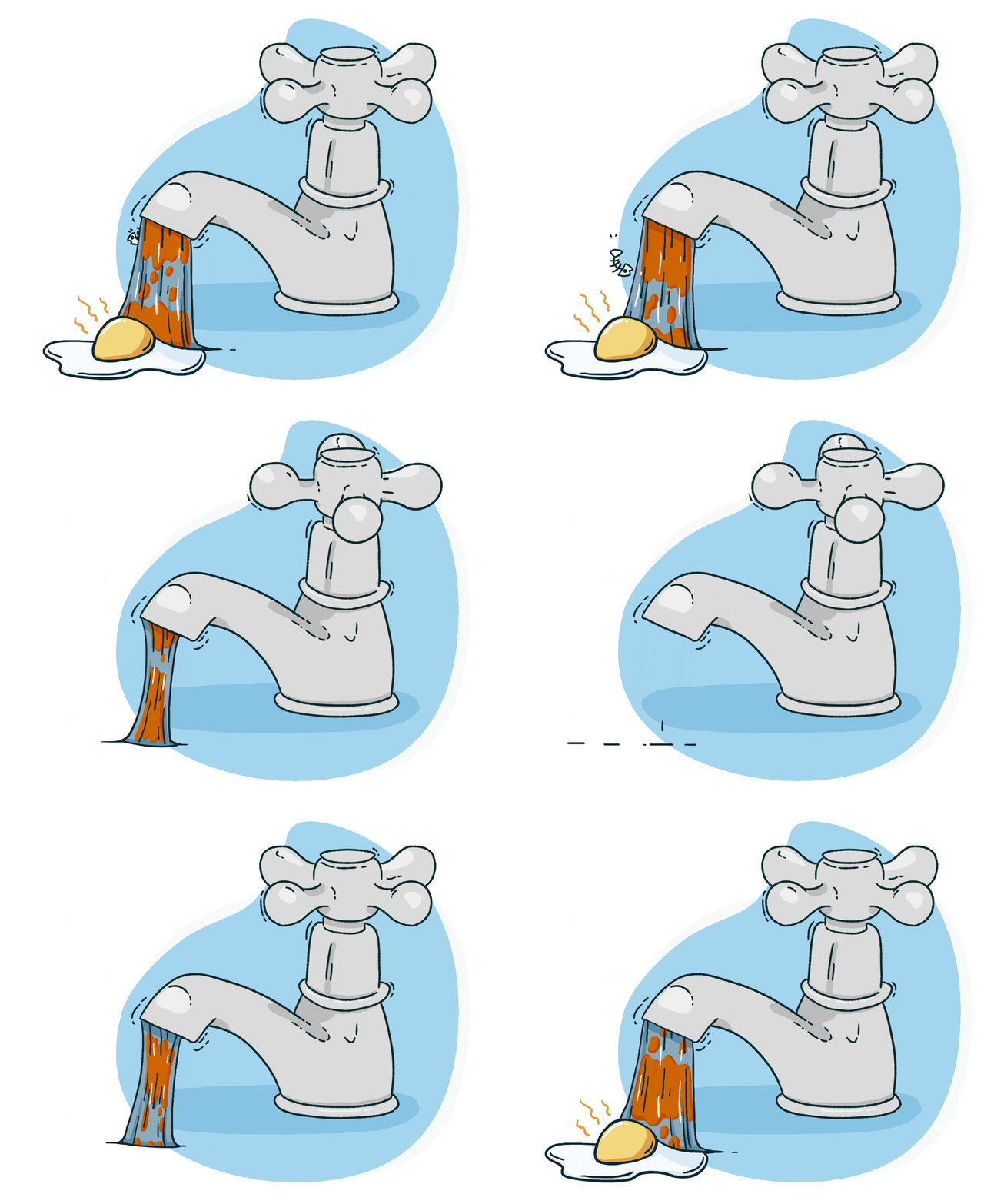
You can use this type of filter to remove chemicals that give unpleasant odor or taste to water. Also, for chemicals like chlorine and its by-products, hydrogen sulfide (rotten egg odor), and some forms of iron.
These Substances if Not Removed Can Pose Health Risks!
Removing substances from your water is vital since it can cause cancer, neurological problems and present other health risks.
Carbon Filters are made from raw, organic materials such as coconut shell, anthracite or bituminous coal and wood. Carbon is probably the most absorbent material known to man. It is very efficient since activated carbon has thousands of tiny cracks that millions of unwanted particles attach to as water passes through it.
Carbon Filtration for the Home
Whole-House Carbon Filters
Best Water Solutions installs Whole-House Carbon Filters at the main water line where water first enters the home. This is especially important because the carbon filter removes chlorine and its carcinogenic by-products that we absorb through lungs and skin in the shower and bathtub. Inhalation of those contaminants is also a health concern since chlorine is a volatile gas that escapes from water into the air.
A whole-house system is crucial because it ensures that the same high-quality filtered water is delivered to every faucet in your home — sinks, showers, bathtubs, washing machines, dishwashers, and more!
Carbon Filter Maintenance
Whole-House Carbon Filters have a life expectancy of 2 to 3 years, depending on water usage. At that point, the carbon inside the Filter Tank will need to be replaced before it breaks down and starts releasing contaminants into the water supply.
What Carbon Filters Don’t Remove
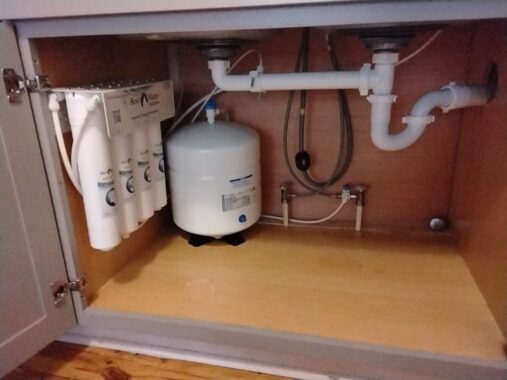
Carbon Filters do not remove dissolved inorganic contaminants and heavy metals – things like minerals, salts, fluoride, arsenic, copper, mercury, nickel, nitrates and other contaminants. Reverse Osmosis is an ideal solution to remove these impurities from your drinking water.
Determining Need and Type of Carbon Filter for your Home
The first step is a water analysis and consultation with one of our Water Specialists. If you are interested in learning more about what is in your water, call or text us: (352) 372-2707