Does “city water” mean “safe water”? Here’s what homeowners need to know!
What’s REALLY in Your City Water?
Does “city water” mean “safe water”? Here’s what homeowners need to know!
Do you ever wonder what’s actually in your city water? Drinking water represents only 1% of the water treated by municipalities. The other 99% is “working water” which is used to flush toilets, water lawns, shower, brush teeth, wash hair, do laundry, wash dishes, clean, fight fires, etc. Is it reasonable to expect that “working water” be brought up to the level of pure drinking water? The cost would be prohibitively expensive.
We are fortunate that municipalities in the US disinfect water to remove disease-causing agents like bacteria and viruses, which cause serious gastrointestinal illnesses and other problems. However, Chlorine and Chloramine – the chemicals used to sanitize city water – create by-products such as Haloacidic acids (HOACs) and Trihalomethanes (THMs), several of which are proven to cause cancer.
Municipalities are required by the EPA to diminish the level of some of the contaminants in city water, but they are not required to completely eliminate them. Numerous new chemicals have been invented and have ended up in our water supply since the Safe Drinking Water Act was enacted in December 16, 1974. Therefore, no minimum standards for an overwhelming majority of these contaminants have been established to protect our drinking water. Many impurities like endocrine (hormonal) disruptors, pesticides, herbicides, pharmaceuticals, Chromium-6, and several others remain in city water.
Municipal water treatment plants do a great job at sending disinfection chemicals like chlorine into the water distribution system to protect the water. However, on the way to our homes water can become contaminated by:
- Leaching from pipe walls
- Leaks in pipes
- Repairs and replacements of pipes
- Cross connection with waste
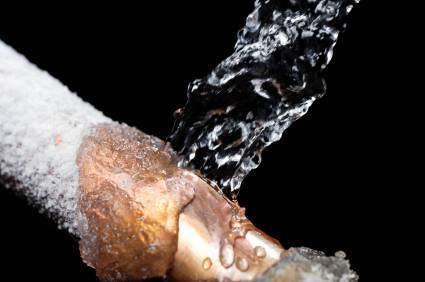
- Corrosion from the water distribution system and from home plumbing
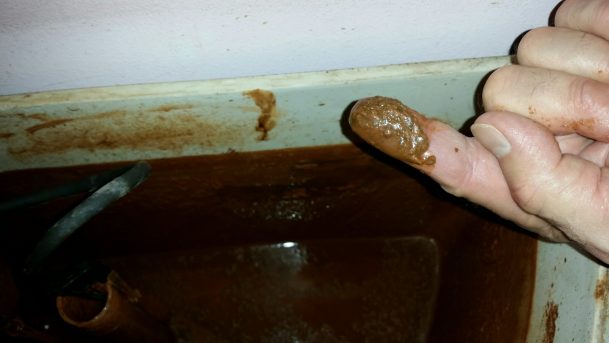
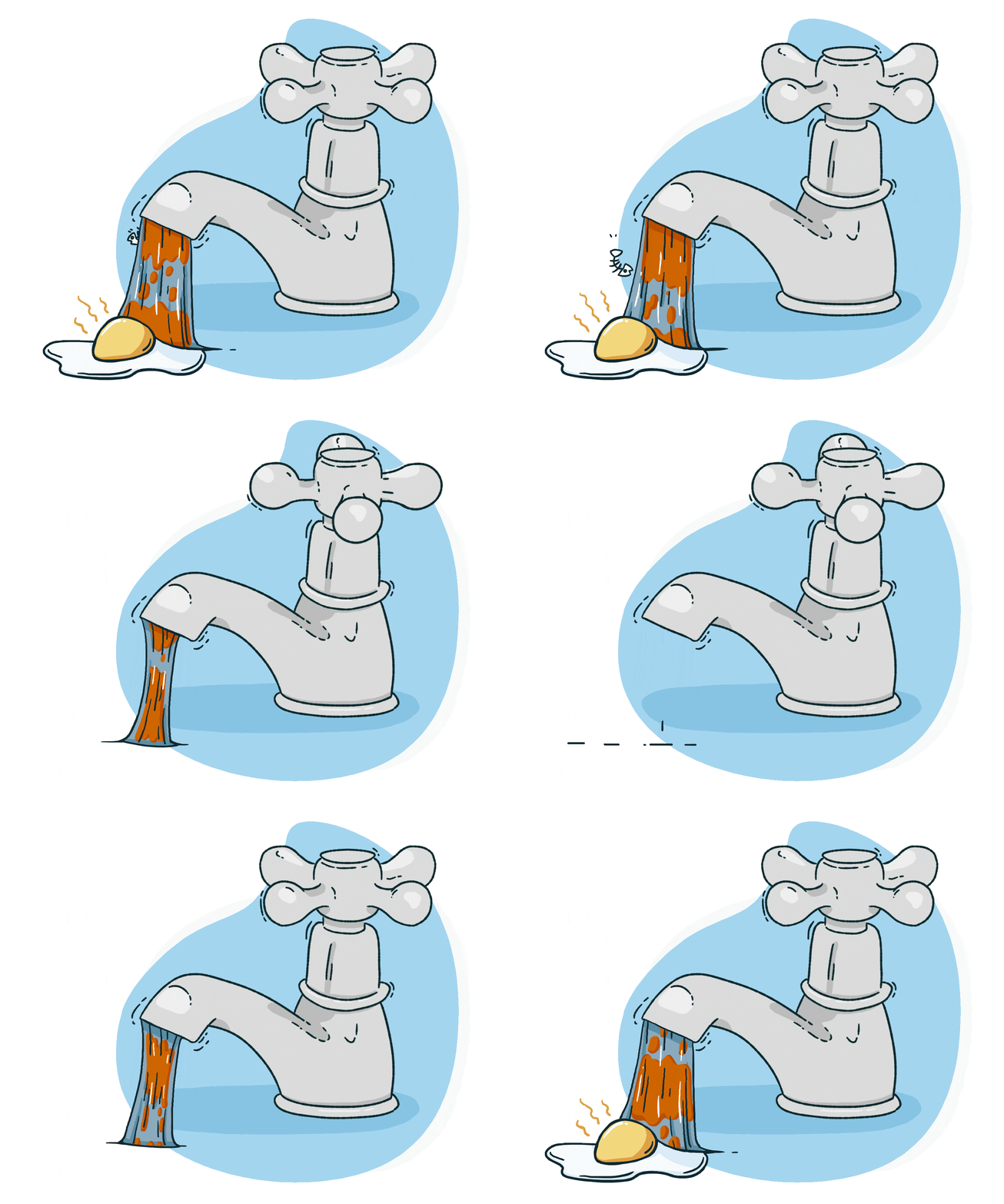
- Biofilms, which are a collection of organic and inorganic materials (living and dead) in which cells stick together and adhere to surfaces regularly in contact with water such as water pipes. Microorganisms in biofilms can include bacteria, protozoa, and fungi. Current research has revealed that viruses and parasites can get trapped in biofilms after a contamination event such as a break, leak, or repair in a water pipe. There is concern for the potential of coliform bacteria growth in the pipe network. Some microbes may separate from biofilm producing odor, color, or taste problems in drinking water.
Once the water reaches our home it is up to us to prevent our family and pets from ingesting contaminants that may pose a health hazard and to limit exposure to unpleasant odors, taste and color in the water.
The Best Solutions to Filter City Water
A complete city water filtration treatment system includes three parts:
- Whole House Carbon Filtration System to filter out chlorine and chlorine by-products at every faucet
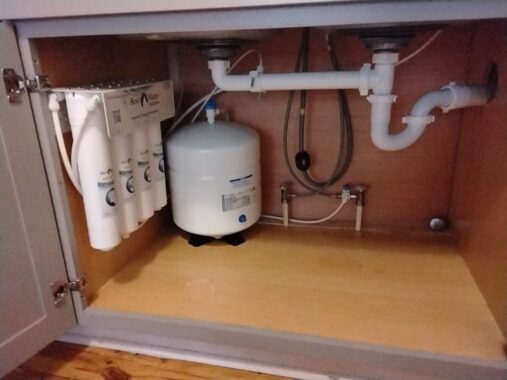
- Under-the-Sink Reverse Osmosis Drinking Water System to provide high purity drinking water right in your kitchen – free from metals, PFAS “forever chemicals”, pharmaceuticals, pesticides and other contaminants
- Whole-House Water Softener to remove calcium and magnesium that irritate skin and create limerock scale in pipes, faucet fixtures & appliances
Best Water Solutions is the local water expert for north central Florida! Contact us to determine what is in your water, as well as the water treatment options available to help you reach the goals you have for your family and home.
Best Water Solutions, tel/text: 352-372-2707